
Blog Posts
Methamphetamine Effects on the Body
Mar
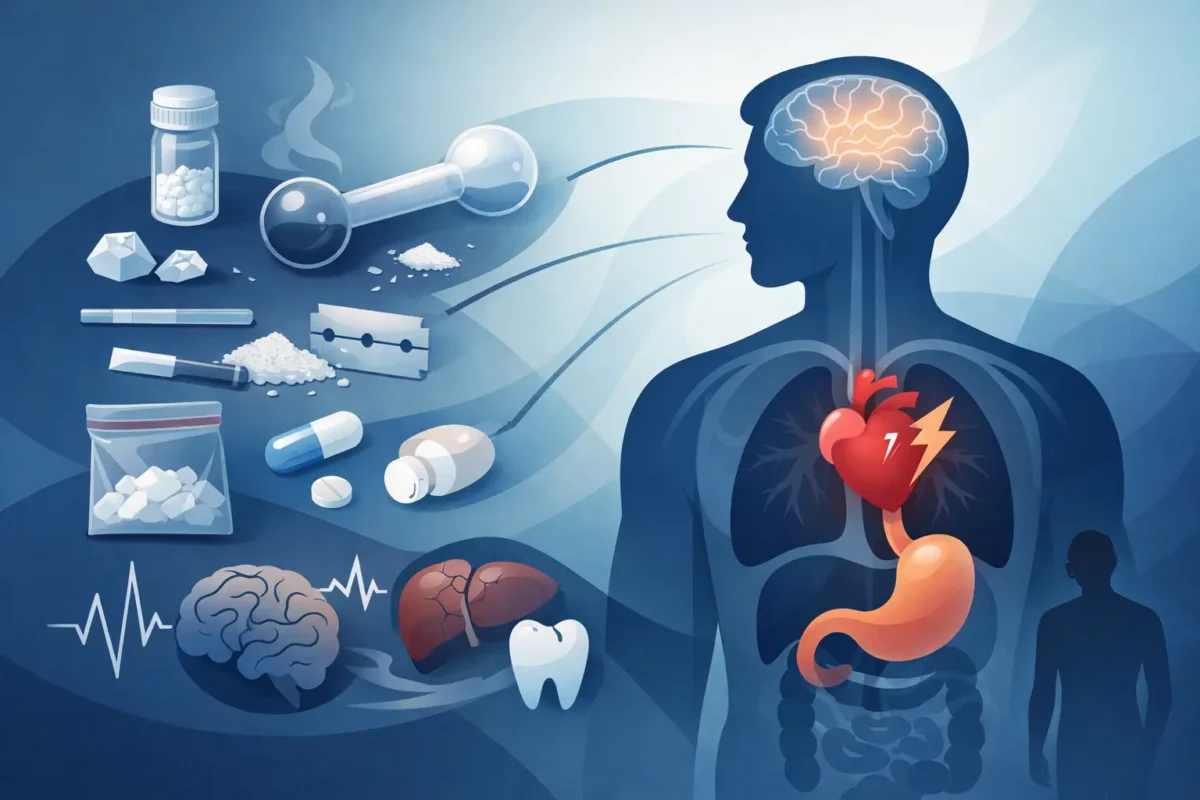
A lot of people search methamphetamine effects on the body when they are trying to separate hype from what actually happens after use. The reality is blunt. Meth does not hit one system and stop there. It changes brain signaling fast, pushes the heart harder, disrupts sleep and appetite, and over time can leave visible damage in the face, mouth, skin, and overall health.
If you are reading because you use ice occasionally, use it heavily, or know someone who does, the main thing to understand is that the effects depend on dose, frequency, purity, route of use, and the person’s baseline health. Smoking, injecting, snorting, and swallowing can all lead to similar long-term harm, but the speed and intensity feel different. That difference matters because faster onset often means a stronger rush, more compulsive redosing, and a higher chance of running hard into dangerous territory.
How methamphetamine affects the body right away
Methamphetamine is a central nervous system stimulant. In plain terms, it floods the brain with dopamine, norepinephrine, and other chemicals tied to reward, alertness, energy, and focus. That is why the first wave can feel powerful – more confidence, less fatigue, reduced appetite, increased talkativeness, and a sense that the body can keep going longer than normal.
The catch is that the body is paying for that stimulation in real time. Heart rate rises. Blood pressure climbs. Breathing can get faster. Body temperature may increase. Pupils often dilate, the mouth gets dry, and many users clench or grind their teeth without realizing it. Some people feel sharp and controlled at first. Others get restless, shaky, agitated, or aggressive even on what they think is a manageable amount.
This is where dose and purity become a real issue. A person may think they are taking one amount, but product strength can vary. That makes the immediate physical response less predictable, especially when meth is mixed with alcohol, opioids, benzodiazepines, cocaine, MDMA, or prescription stimulants. The body can compensate only so far before the stress turns into an emergency.
The cardiovascular strain most people underestimate
One of the biggest methamphetamine effects on the body is what it does to the heart and blood vessels. Meth narrows blood vessels and forces the cardiovascular system to work harder. For some users, that means chest tightness, pounding heartbeat, or shortness of breath. For others, the danger stays hidden until it becomes serious.
Repeated use raises the risk of arrhythmias, heart inflammation, high blood pressure, heart attack, and stroke. This is not limited to older users or people with known heart disease. A younger person can still run into major trouble, especially during a binge, with sleep deprivation, dehydration, overheating, or heavy physical activity in the mix.
It also depends on how long use has been going on. Someone using over months or years may develop persistent cardiovascular problems that do not just disappear after a few days off. The body can recover from some stress, but chronic stimulant exposure can leave lasting damage.
Brain and mental health changes
People often focus on the rush, but the longer story is what meth does to the brain after the rush wears off. Dopamine disruption is a big part of why users can feel driven to repeat the experience. The short-term boost in energy and pleasure is often followed by a crash marked by fatigue, low mood, irritability, and sleep problems.
With repeated use, concentration can get worse even if the person thinks meth helps them focus. Memory may slip. Decision-making becomes more impulsive. Anxiety can build. Suspicion and paranoia are common, especially during binges or after days with little sleep. In more severe cases, people can develop meth-induced psychosis, including hallucinations, delusional thinking, and extreme agitation.
This is one area where frequency matters more than many users expect. A person does not have to fit a stereotype to run into serious mental effects. Long sessions without sleep, repeated redosing, and higher-potency product can push the brain into a much more unstable state fast.
Why the crash feels so rough
After meth wears off, the body is depleted. Sleep debt, dehydration, poor nutrition, and neurotransmitter disruption all hit at once. That is why people often report exhaustion, depression, body aches, irritability, and an inability to feel normal pleasure. The comedown is not just mental. It is a full-body correction after forced stimulation.
Skin, teeth, and visible physical damage
Some of the most recognized methamphetamine effects on the body are the changes other people can see. Skin problems often come from several factors at once – reduced sleep, poor nutrition, dehydration, repetitive picking, sweating, and slower healing. Small sores can become infected. Complexion can look dull, dry, or prematurely aged.
Dental damage is another major issue. Dry mouth reduces saliva, and saliva helps protect the teeth. Add grinding, jaw clenching, acidic drinks, poor oral hygiene, and long periods without eating or sleeping, and the result can be cracked teeth, gum problems, decay, and severe mouth pain. People call it meth mouth for a reason, but it is not caused by one single thing. It is a chain reaction.
Weight loss is also common. Some users view that as a benefit at first because meth suppresses appetite. Over time, though, the body loses more than fat. Muscle, strength, and general resilience can drop too. Looking thinner is not the same as being healthier.
Effects on sleep, appetite, and body temperature
Meth works against basic body maintenance. Sleep gets delayed or skipped. Hunger signals get suppressed. The person may not notice thirst until dehydration is already setting in. This combination can push the body into a rough cycle where recovery never really happens between sessions.
Sleep loss alone can intensify the harm. After one night awake, judgment is already worse. After several nights, paranoia, confusion, irritability, and physical exhaustion can spike. Add overheating to that picture and the risk level climbs again. Meth can raise body temperature, and in crowded, active, or hot settings that becomes dangerous quickly.
The body does not always give a clean warning before things go wrong. Someone can feel powerful while moving toward collapse.
The longer-term damage from repeated use
Long-term meth use is less about one dramatic moment and more about cumulative breakdown. The brain adapts to repeated surges and starts functioning differently. The heart and blood vessels stay under repeated strain. Immune defenses can weaken. Hormone balance, digestion, sexual health, and mood regulation may all shift in ways that are hard to reverse quickly.
For some people, recovery after stopping is uneven. Sleep may take time to normalize. Motivation may feel flat. Mood can stay low for weeks or longer. Some cognitive and emotional function improves with sustained abstinence, but it depends on how heavy the use was, how long it lasted, what other substances were involved, and whether the person has underlying mental or physical health issues.
That is why broad claims can be misleading. Not everyone gets the same damage at the same speed. But repeated meth exposure tends to move in one direction – more stress on the body, less reserve, and a higher chance that the next run will hit harder than expected.
When the effects become a medical emergency
There is a line between being high and being in danger, and meth can cross it fast. Chest pain, seizures, severe overheating, trouble breathing, collapse, extreme confusion, and violent agitation are all red flags. So are stroke symptoms such as facial drooping, weakness on one side, or sudden trouble speaking.
The problem is that some users wait too long because they think they just need water, food, or time. Sometimes that is true. Sometimes it is not. The body can compensate until it suddenly cannot.
If someone is using regularly and reading this out of curiosity, the honest answer is simple. Meth is hard on the body even when the person thinks they are handling it. The short-term effects people chase are tied to the same mechanisms that drive long-term damage. Knowing that does not fix everything, but it does cut through the fantasy. Pay attention to what your body is already telling you before it has to say it louder.