
Blog Posts
Crystal Meth Detox Process Explained
Apr
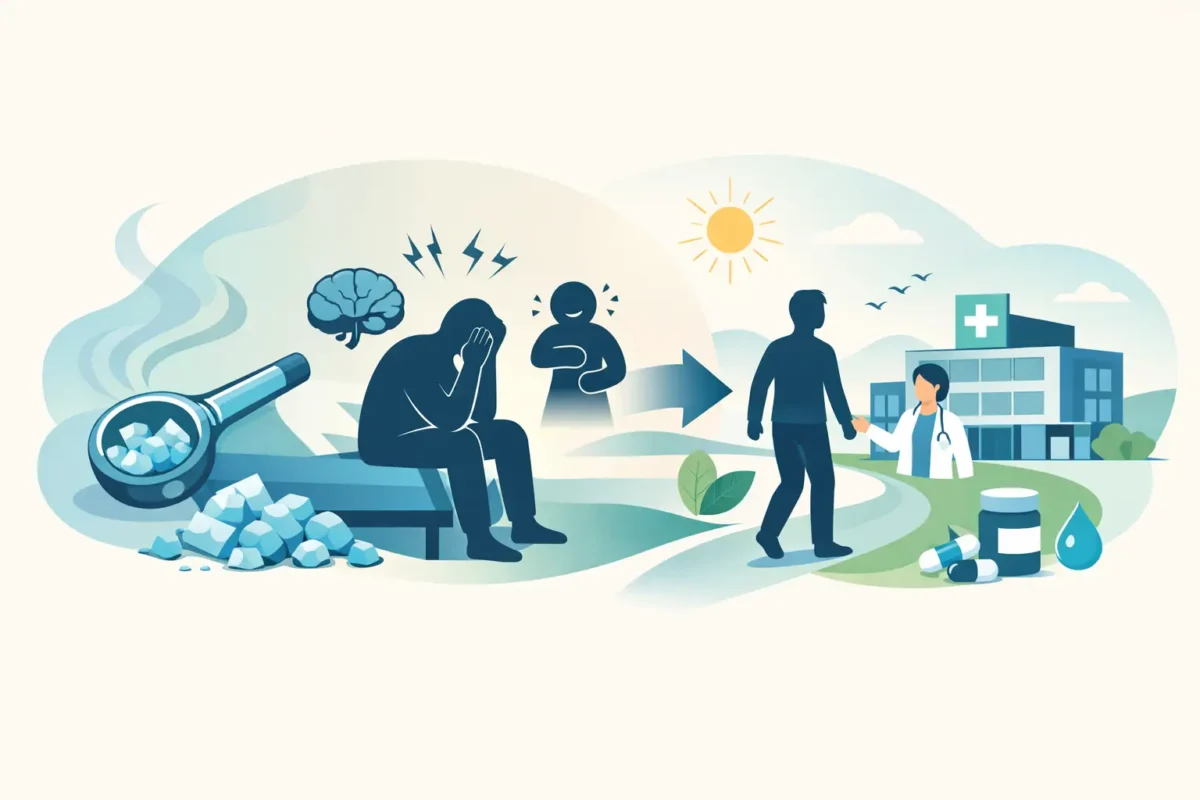
The first 24 to 72 hours after stopping meth are usually the hardest, and that is where the crystal meth detox process becomes real instead of theoretical. People expect a dramatic physical crash, but meth withdrawal often hits harder in the mind – exhaustion, depression, agitation, paranoia, and a strong urge to use again. If someone has been on a heavy run, mixing substances, or sleeping very little, detox can turn unstable fast.
What the crystal meth detox process actually means
Detox is the period when meth leaves the body and the brain starts reacting to its absence. That sounds simple, but it is not a clean or predictable reset. Crystal meth changes dopamine signaling, sleep patterns, appetite, heart rate, mood, and judgment. Once use stops, the body is not just clearing a drug. It is trying to stabilize after overstimulation.
The crystal meth detox process is different from opioid or alcohol detox in one key way. It is often less about dramatic physical danger from the withdrawal itself and more about psychiatric risk, relapse risk, dehydration, malnutrition, sleep deprivation, and poor decision-making. That distinction matters because some people assume detox is just sleeping it off. In mild cases, rest helps. In severe cases, that mindset can be dangerous.
What withdrawal from crystal meth feels like
Most people crash first. Energy drops hard. Sleep can come in long stretches, but it is often messy and unrefreshing. Some people sleep for a day, others toss between exhaustion and anxiety. Appetite usually returns, sometimes aggressively, because meth use often suppresses eating for extended periods.
Mood symptoms are where detox gets complicated. Depression is common. Irritability is common. Anxiety, restlessness, and intense cravings are common too. For some, there is also paranoia, confusion, or hallucinations, especially after heavy use, long binges, or if there was already an underlying mental health issue.
This is why the process depends on the person. A casual user who stops after limited use may deal mostly with fatigue, low mood, and cravings. Someone coming off chronic use may face a much rougher comedown with weeks of instability. The same drug, very different detox picture.
Timeline of the crystal meth detox process
The crash phase
This usually starts within hours to a day after the last use. The body begins to slow down. Expect fatigue, sleeping more than usual, increased hunger, low motivation, and irritability. Some people also feel emotionally flat or deeply depressed.
This phase can look deceptively calm because the person may be sleeping a lot. That does not mean they are fine. If they wake up panicked, suicidal, paranoid, or desperate to use, the situation can turn quickly.
Acute withdrawal
Days two through seven are often the most intense. Cravings can spike. Mood swings can be sharp. Some people feel agitated and empty at the same time. Anxiety, depression, and trouble concentrating are common. If psychosis was present during use, it may linger into detox.
Sleep may still be irregular. Even after a crash, normal sleep does not always return right away. The brain is trying to regulate itself, and that takes time.
Early stabilization
After the first week, some physical symptoms ease, but mental symptoms can hang on. Low mood, poor focus, lack of pleasure, and cravings may continue for several weeks. People often underestimate this stretch because the emergency feeling is gone, but relapse risk is still high.
That is the trap in the crystal meth detox process. The worst of the crash may pass, but motivation, judgment, and emotional control can still be weak. This is where support matters most.
When detox should be medically supervised
Not every meth detox requires hospitalization, but some cases absolutely need medical supervision. If the person is suicidal, hallucinating, severely paranoid, aggressive, dehydrated, malnourished, or has chest pain, seizures, or a history of serious mental illness, home detox is a bad gamble.
Polysubstance use changes the equation too. If meth was used with alcohol, benzodiazepines, opioids, or other stimulants, withdrawal can become more complicated. It is not just a meth issue anymore. It becomes a broader medical and psychiatric risk.
A supervised setting can help with monitoring, hydration, nutrition, sleep support, and managing agitation or psychosis. There is no single medication that simply ends meth withdrawal, which frustrates people looking for a quick fix. Treatment is usually supportive and symptom-based. That can still make a major difference.
What helps during detox
The basics matter more than people think. Sleep, fluids, food, and a low-stimulation environment are not small details. They are the foundation. Many people come into detox dehydrated, underfed, and mentally overstretched after days of not sleeping properly.
Calm surroundings help reduce agitation and paranoia. So does limiting conflict. A person in meth withdrawal is often not thinking clearly, and pushing them into arguments usually makes things worse. Reassurance helps, but so do boundaries, especially if behavior becomes erratic or unsafe.
Medical teams may use short-term medications for anxiety, sleep problems, or psychotic symptoms depending on the case. That is not universal, and it depends on risk level. The point is not comfort alone. It is keeping the person stable enough to get through the acute phase without spiraling.
What people get wrong about meth detox
One mistake is assuming detox ends when the drug leaves the bloodstream. That is too narrow. The body may clear meth relatively quickly, but the aftermath in mood, cognition, and cravings can last much longer.
Another mistake is treating cravings like a minor side effect. For many users, cravings are the whole battle. Fatigue and depression create a setup where using again feels like the fastest way to feel normal. That is why relapse often happens early, especially if the person goes straight back into the same environment, same people, and same triggers.
There is also the myth that if someone is sleeping and eating again, they are recovering well. Sometimes they are. Sometimes they are in a severe emotional crash that is less visible than physical symptoms. You cannot judge detox by appetite alone.
Detox is not treatment
This is the part many people do not want to hear. Getting through withdrawal is only the first stage. Detox clears the immediate fog, but it does not repair the reasons use became repeated, compulsive, or risky in the first place.
After the crystal meth detox process, many people still deal with depression, anxiety, poor impulse control, insomnia, and strong cue-based cravings. If there is no plan after detox, the gap gets filled by old habits. That is why ongoing care matters, whether that means counseling, outpatient treatment, residential rehab, peer support, or a combination.
The right next step depends on severity. Someone with a short pattern of use and a stable home may do well with outpatient support. Someone with repeated relapse, psychosis, homelessness, or heavy daily use may need a much more structured setting. It depends on risk, not pride.
How long recovery starts to feel normal
There is no exact date when people suddenly feel like themselves again. Some improve noticeably after one to two weeks. Others take much longer, especially after chronic use. Energy can stay low. Motivation can stay flat. Pleasure can feel blunted. That does not mean recovery is failing. It means the brain is still recalibrating.
What usually helps most is consistency. Regular sleep, food, hydration, low chaos, and ongoing support do more than dramatic promises ever will. The early phase is uneven. Good days and bad days can alternate. That is normal.
For readers looking for straight answers, the crystal meth detox process is rarely glamorous and never as simple as waiting it out. It is a rough reset with real mental health risks, strong relapse pressure, and a timeline that changes from person to person. If detox is happening now, the smartest move is to take symptoms seriously, avoid isolation when risk is high, and treat the next step after withdrawal as part of the job, not an optional extra.
The real edge comes from knowing that feeling wrecked at the start is not the end of the story – it is the point where better decisions finally have room to begin.